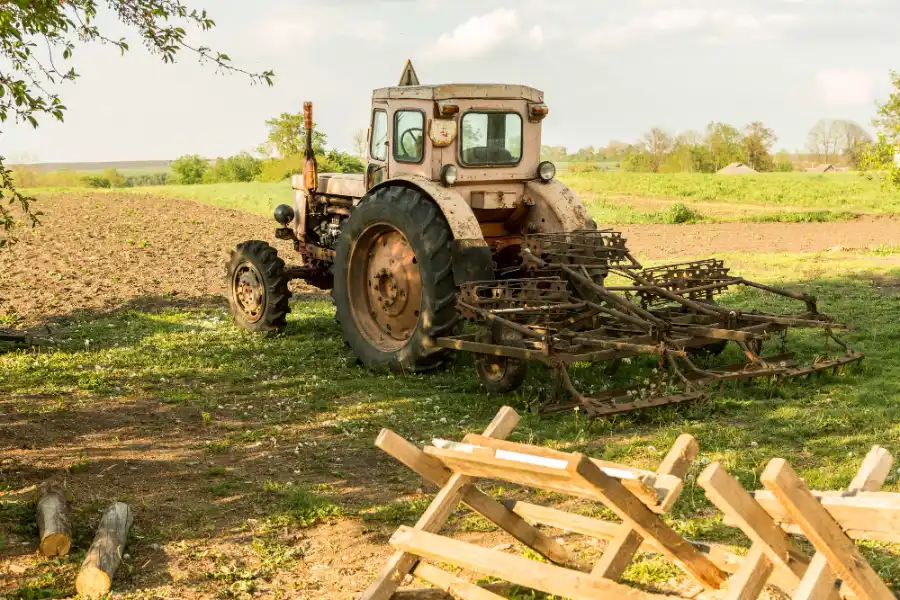
Many of the machines around Australian farms are not used for years, taking up a lot of space and slowly decaying. Old broken irrigation pipes, rusted tractors, missing fence sections, worn-out machinery parts, and outdated equipment may not have a specific function on the farm. Still, in most cases, these items hold valuable recyclable metals.
The fortunate thing about most farm equipment is that it contains steel, cast iron, aluminum, copper, brass, and more that can be recycled and reused into new items by licensed recyclers. These products are not sent to landfill; recycling supports Australia’s resource recovery initiatives and helps farmers earn money from prevailing metro scrap metal prices in Adelaide.
From facilitating small, country property recycling to large-scale operations for agricultural lots throughout South Australia, knowing what can be recycled can help avoid waste, retrieve value, and maintain property security and organization.
Are Old Farm Equipment Recyclable?
Yes. Generally, most old agricultural equipment can be recycled if it is primarily composed of metal and does not contain hazardous substances that would require special treatment for disposal.
Scrap metal recyclers readily accept farm machinery that can no longer be used or is damaged. The metal is sorted, processed, and re-exported to the Australian manufacturing industry, which is increasingly part of this circular economy.
Many of the older machines also have large amounts of usable steel and are also good sources of non-ferrous metals that can enhance the overall recycling benefits.
Which Farm Machinery Is Widely Adopted?
Various materials can be recycled from agricultural organizations year-round. Not all equipment that is not in use may be free of recoverable metals.
These are typical farm equipment items that can be accepted:
- Old tractors
- Harvesters
- Ploughs
- Seeders
- Cultivators
- Steel trailers
- Livestock panels
- Gates and fencing
- Water tanks
- Steel sheds
- Irrigation pipes
- Pumps
- Feed bins
- Agricultural machinery frames
- Steel wheels and rims
The equipment must be in good condition and must be safe for recycling.
Which Parts Are Made of Metals That Can Be Recycled?
Maintaining a steel frame may be people’s idea of value, but in agricultural machinery, there are often numerous and valuable components that are capable of recycling.
These may include:
- Structural steel frames
- Copper cables and electric cords
- Aluminum engine components
- Brass fittings
- Stainless steel parts
- Hydraulic cylinders
- Electric motors
- Gearboxes
- Steel chains
- Bearings
- Radiators
- A lead-acid battery that meets the test to be considered for the car battery scrap price
Farm equipment can generate a considerable amount of scrap metal where possible it should be separated and sold, it can provide value in recycling.
Are Irrigation Equipment Recyclable?
Absolutely.
So many irrigation systems are available, and each day throughout South Australia, licensed recyclers are gathering a supply of recycled resources.
Examples include:
- Aluminum irrigation pipes
- Steel pipe sections
- Brass valves
- Copper electrical cable
- Pump motors
- Steel brackets
- Metal sprinklers
- Irrigation control equipment
The copper wiring that is recovered as part of irrigation improvements might also be eligible to be sold as copper scrap, depending on the condition, cleanliness, state of the market and other factors.
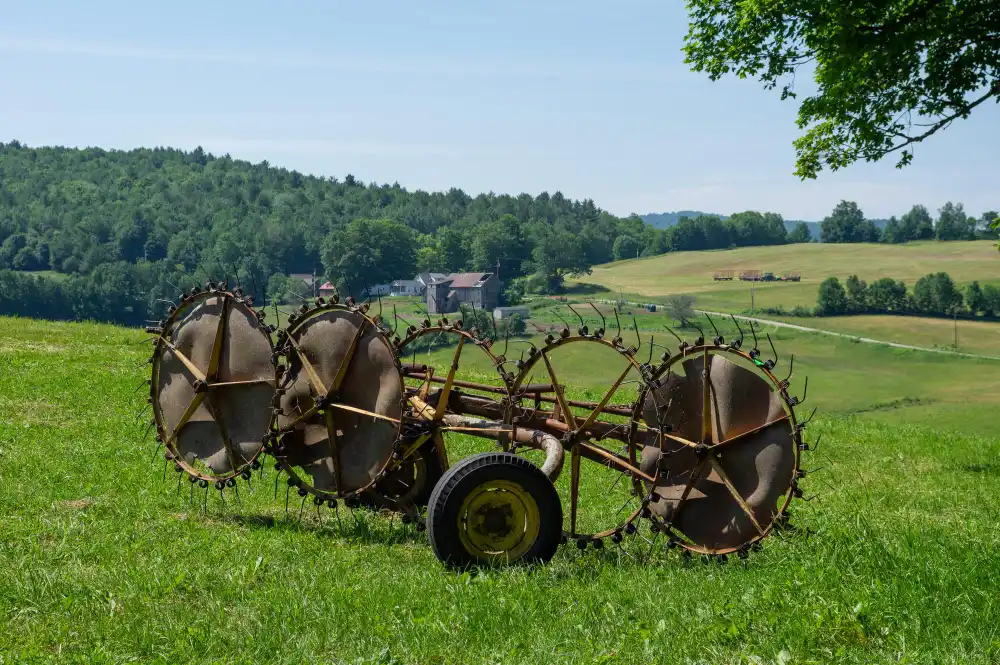
Is Pickup Available for Farms?
Many recyclers like to pick up suitable loads, and it can be hard and costly to transport large pieces of machinery.
Some scrap metal removal services would be offered on farms with significant electronic metals, depending on the amount and location.
Pickup service typically can help you with:
- Farm clean-ups
- Machinery replacement projects
- Shed demolitions
- Irrigation upgrades
- Fence replacements
- Discuss general waste disposal of large machinery
Usually only available if there is enough good material in, and accessible on, the property to be recycled.
The Benefits of Farm Equipment Recycling to Farmers
Rather than just decluttering items, recycling used agricultural equipment has many more benefits.
It can be used to assist farmers with:
- Recapturing excess equipment
- Free up storage areas
- Reduce safety hazards
- Prevent long-term deterioration
- To support environmentally responsible recycling
- Maintain re-use of metals
- Reduce landfill waste
Recycling extends the life of these materials in use by reusing the components with Australian manufacturing as opposed to letting them rust in the fields.
The Story of a Local Client
A farmer of grains living close to Murray Bridge had some irrigation pumps that had broken down, fencing panels that were broken, steel gates that were worn, a tractor that had failed to work, and an old cultivator. Not knowing what was still worth it, he called HZ Scrap Metal.
The team discovered several different types of scrap metals, such as structural steel, copper wiring, aluminum parts, and car battery scraps, which were lead-acid and could be sold competitively for a car battery scrap price. The majority of the recovered copper metal from the irrigation equipment was suitable for copper scrap purchasing, and the remaining iron steel was processed separately.
The lot was fairly large, and the farm would also get “free pick up” of the used metal, and the owner would also save some trip time and money. The area where the trees were removed has since been enlarged for machinery storage, and the recovered metals reused in Australian manufacture, rather than being disposed of in landfill.
How to Clean Your Farm Equipment Before Recycling
With a little planning, recycling can be easier and safer.
Please note: Before your collection or delivery arrangements:
- Remove rubbish and loose debris
- Drain fuel/oil as needed
- If possible, separate batteries
- Separate copper wiring from steel wire
- Whenever possible, remove large-sized plastic attachments
- Know what can be recycled before scrapping the equipment
- If in doubt, ask your recycler about hazardous materials
In the right hands, recyclers can work more efficiently and accurately distinguish that the materials are sorted based on the price of scrap metals Adelaide.
What Are the Advantages of Using a Licensed Scrap Metal Recycler?
Familiar with the difficulties in recycling heavy mobility machinery, experienced recyclers ensure the safe and responsible recycling of materials.
By using a licensed recycler, you get:
- Correct identification of the metal types to be recycled
- Environmentally responsible processing
- Fair market-based pricing
- Proper handling of batteries and pieces of machinery
- Conformance to Australian recyclable Standards
- Good collection by the farm, available when available
When farmers select a trusted recycler, they will have the peace of mind that their important materials are being recovered responsibly and are helping to strengthen Australia’s recycling industry.
Final Thoughts
Agricultural machinery that isn’t being used need not be wasted on the land. Worn-out tractors and irrigation systems, fencing, pumps and steel sheds, there are still some valuable recyclable metals on both site and in the truck. Through a licensed recycler, farmers throughout Adelaide and South Australia can reclaim recyclable metals according to current market rates for scrap metal in Adelaide, and also avail free scrap metal removal for suitable loads, contributing to the country’s circular economy. The ability to recycle old equipment is a no-brainer solution that can also help maximize space on the farm and make valuable resources available to the Australian industry and economy for many years to come.