What do you do with a car when it becomes scrap: sell it to a scrap yard, sell it privately, or keep fixing it up?
Anyone who’s had a car long enough finds themselves in the driveway, staring at it and asking the same awkward question. Does all this bother about this thing make sense? Perhaps it did not pass its previous inspection. Perhaps the repair quote wasn’t what you wanted. Perhaps it’s just been under a tree for two years gathering leaves and a dusting, and you tell yourself you’ll “get around to it.”
There are three different ways to go from here, but they’re all very different. You can sell the car to a car wrecking service, sell it yourself, or keep using it for a large amount of cash. They are designed for a variety of vehicles and driving styles, and choosing the wrong option may cost you money, time, or both. In simple terms, this H&Z Scrap Metal guide breaks down the pros and cons of each choice, so you can see where your car fits. The guide also includes a side-by-side comparison matrix and a short series of practical tips on preparing for removal if scrap proves to be your solution.
Why is this decision postponed? Why is this decision delayed?
Cars are weird properties to own. They seem to lose value year to year, but they also have a lot of sentimental and practical value. It’s the car you used to get to your first job, the one you took the kids to school in, or the one your dad drove for decades. This history makes it hard to see the machine straight.
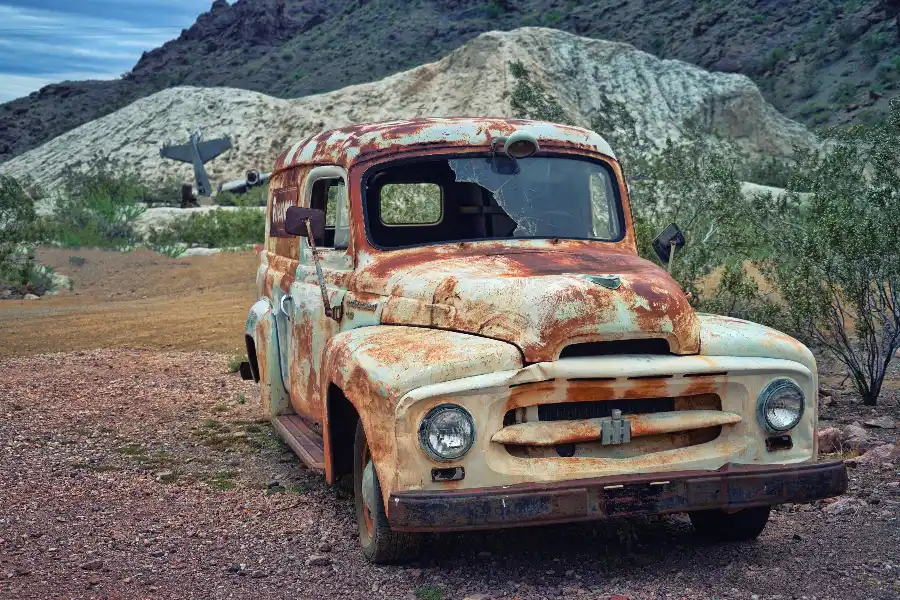
There’s also the worry that you’ll be ripped off. People worry they’ll be taken advantage of by a scrap yard or a private person, or that repairs will lead to more repairs. It’s natural to have those concerns, and the best solution is knowing exactly what each option entails. Once you know your options, the choice becomes much easier.
Take to a Scrap Yard. Choose Option One: sell to a Scrap Yard.
The easiest (and for many cars, the most sensible) method to dispose of an old car is to sell it to a scrap yard.
The pros start with simplicity. You don’t need to write an ad, answer a huge number of messages, or let strangers drive your car away for a test drive. You call the yard, tell them about the vehicle, and they give you a price and schedule a pickup. A scrap yard is the only buyer that wants a car that no longer runs, failed an inspection, or was damaged in an accident, because they are interested in the metal and usable parts rather than whether it can start.
The second benefit is speed. While a private sale may take weeks to complete, a scrap removal service can happen in no time. If the car is taking up space on your property, or you want it off your premises before you move or renovate, this is important. Thirdly, the environmental factor. A car contains a large amount of steel and other recoverable materials such as aluminum, copper, etc. The recycling process keeps those materials out of a landfill.
The drawback is just as true. A car’s price in a scrap yard depends primarily on its weight and the current metal market, so it’s typically priced lower than a running, desirable car sold by a private buyer. It also fluctuates with the market, so what may be quoted one day might not be the same price the next month. Additionally, a yard should see that the car is reasonably complete; otherwise, it will likely be worth less.
An old, busted, unregistered, non-running, or not-worth-the-repair-money car is a good fit for scrap. It’s also the best choice for owners who value their time and want a tidy, swift outcome.
Make a non-public sale.
The most obvious option is to sell privately and, in some situations, it may earn the most.
The cons are price-related. If your car is still in good running shape, drives well, and has a good driving record, it may be worth selling it as a car rather than as scrap metal. A clean, older hatchback with a service history can find an interested buyer seeking an affordable, dependable vehicle. You can also set the asking price and the buyer you wish to deal with.
The cons are mostly effort and risk. Private selling takes time, as you need to clean the vehicle, take good photos, write a sincere description, and then deal with the emails that come next. Some inquiries will be genuine, and many will not. Lowball offers, no-shows, and “swap” or “pay later” may occur. Meeting strangers also raises safety and financial concerns, and handing over car keys isn’t something to do lightly, so be wary of where and how it happens.

There’s paperwork, too. Regulations governing vehicle sales vary by state and territory and can require safety or roadworthiness checks, ownership transfer, and notifying the transport department that the vehicle is no longer owned. Doing this incorrectly can leave you tied to a car you’ve sold, including any fines it accrues after the sale. Please consult the local transport authority for up-to-date requirements before advertising.
A private sale may be the best option for a car that is still in demand, easy to register or already registered, and is running. It’s worth the time and patience if you can. For non-runners, the effort is likely worth it.
Option Three: Keep Fixing It
It’s not always the smartest choice to keep an old car on the road, but it does make sense sometimes.
The benefits to the pros are clear to anyone who has done the math. It also means that if the car is paid off, you have no monthly payments to the insurance company, and an older car may be cheaper to insure and register than a newer one. It is better to be less unpredictable with a car you know well and with a known history than with an unknown replacement. If the repair is minor, a battery, a set of tires, a service, etc., it may be worth the money.
As the car ages, the cons add up. Older cars tend to have repairs in bunches, and the sum can seem like a small repair until you add them up. Engine or gearbox issues could run up a bill that exceeds the vehicle’s value. But there’s the less obvious cost of unreliability, too. If your car won’t start in the morning, or starts and then stalls on the way to work, it can cost you stress and, sometimes, lost income.
A good rule of thumb is to compare the repair estimate to the vehicle’s value in good running condition. If the repair is a significant portion of that value, and other issues are likely to be waiting in the wings, you may want to let it go. Get a fair assessment of the car’s condition from a mechanic—not just the fault in front of you.
If the car is structurally OK, the repair is minor, and you depend on it, then it makes sense to fix it. When issues keep coming in quick succession, it doesn’t seem to make as much sense.
Pros and Cons Matrix
Here’s the whole picture at once.
| Head to a Scrap Yard to sell your junk! | Sell Privately | Keep Fixing It | |
|---|---|---|---|
| Typical payoff | The price is calculated primarily based on weight and metal prices. | The highest (potential) for a good car. | Solution: No sale income, no car! |
| Speed | Often quick | Can take weeks | Immediate, but ongoing |
| Effort | Low | High | Moderate to high |
| Works for non-runners | Yes | Rarely | Only if repairable |
| Paperwork | Some, but simple | More involved | Use an ongoing registration and servicing program. |
| Main risk | The cost of running a car is lower than buying a car. | Time wasters and payment costs. | Deterioration costs mounting up. |
| Best for | Old, broken or unused cars | Running, desirable cars | Handle minor problems with sound cars |
Read down your column and the correct answer should pop into your mind.
Choosing the right road for your car is tough, but not impossible.
If a car hasn’t started in a long time, it’s a pretty safe bet it’s a scrap. A non-runner isn’t something many private buyers are interested in, and the cost of repairs on a long-idle car is unpredictable.
If the car starts easily, has fairly normal kilometers, and a known service history, consider selling it privately first. There’s not much to lose by trying, since you have a backup plan in the form of scrap if it doesn’t sell within a reasonable time.
If the car is working fine and you need to get it moving, keep going, but set a cap. Decide how much you’ll spend beforehand, and don’t let one bad week eat into your budget.
If you’re in the middle, obtain two bits of information. Get an honest quote from a mechanic and a scrap yard, such as H&Z Scrap Metal, for a repair estimate and what they could offer. Compare the two numbers side by side, and you’ll often know which option makes the most sense.
Getting Ready for Scrap Car Removal
When you choose to scrap, a bit of preparation can make the process smoother.
Start with the paperwork. Bring proof of ownership and ID, and provide the yard with the car’s details, including make, model, condition, and whether it is complete. Rules vary by state and territory, so find out what your local transport authority requires when you dispose of the vehicle, and make sure they remove it from your name so it isn’t left in your name.
Now empty the car. Check the glovebox, under the seats, the boot, and all door pockets for personal items, documents, toll tags, and loose change. If necessary in your area, remove the plates from the registration. Remove all child seats, accessories (if you have any) you want to keep, and items of personal value.
Be truthful regarding the car. Let the yard know whether it runs, whether any parts are missing, and whether there’s damage. When you’re honest, you can count on the price and the pickup time.
Last but not least, inquire about removal. Confirm before you commit whether a yard can pick up the car from your property and, if so, how they do it. Call H&Z Scrap Metal and ask how they can accommodate your car and location.
Don’t remove parts from the car without permission. Some yards offer full-vehicle pricing, and removing parts like batteries, fluids, and emissions components can be hazardous if you don’t know what you’re doing.
What About the Money?
One of the most common questions about a scrap car is what you’ll receive for it, and unfortunately, there is no definitive answer. The main factors are the car’s weight, the current scrap metal price, and its completeness and condition. The heavier the car, the more metal it has. A complete car is easier to process than one missing large parts. This figure can change, as metal prices fluctuate.
The best way to find out is to ask. A good yard can tell you what they can offer based on the information you provide. Any quote is a starting point, and be suspicious of anyone who quotes a high price without asking a single question about the car.
The Bottom Line
Don’t feel guilty or confused about an old car. If it works and is in demand, then sell it privately; if it isn’t, give it away. If it’s sound and the repairs are minor, continue using it. If it is old, damaged, unreliable, or no longer worth the money to you, it’s time to sell it to a scrap yard; it’s a clean, sensible way to move on.
Whatever you do, make the calculations and ask for estimates (and then decide accordingly). When you’re ready to discuss scrap car removal, reach out to H&Z Scrap Metal and consult them about your car. We’ll help you find the easiest way to get it out of your hands and into the recycling stream.