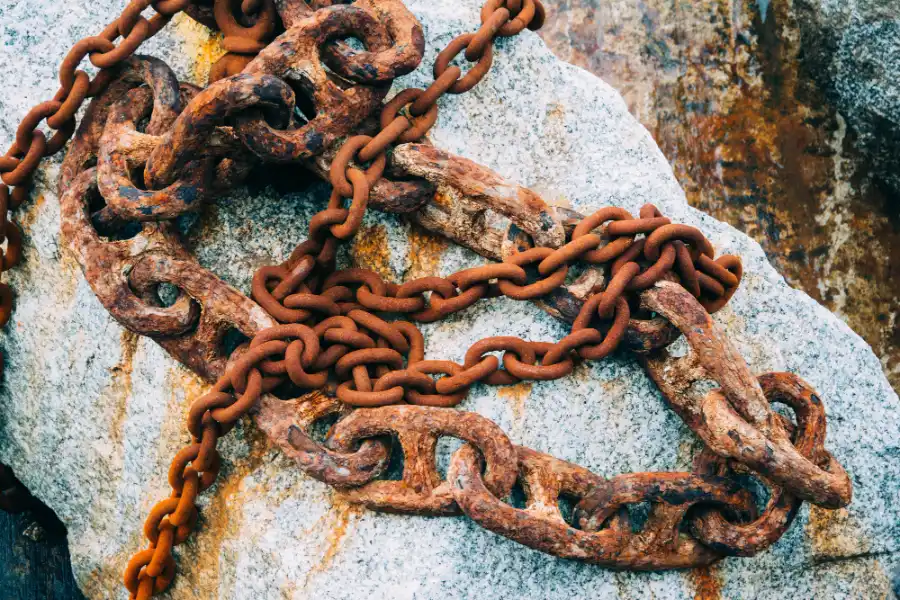
Rusty metal is often discovered when people clean out a shed, renovate an old home, clear a farm or tear down a commercial property. When people see rust, they think it can’t be used or recycled. Fortunately, that’s not the case.
Usually, if the metal surfaces are rusted, they can still be recycled. Surface rust doesn’t mean the end of the world for metal in terms of usage, and rusted steel, iron, and other “rust-resisting” metals are not only readily accepted by licensed scrap metal recyclers but are handled regularly. The best way to prepare a product for recycling is to understand its value and how the grade of the metal to be processed is determined.
To ensure a seamless recycling process, it’s helpful to know these key aspects of recycling: scrap metal laws in South Australia, current scrap metal prices in Adelaide and proper preparation for recycling.
Is Scrap Metal Still Good for Recycling?
Yes. There are several types of metal that remain recyclable even after they rust.
Over time, steel and iron rust in the presence of moisture and oxygen. Rust will discolour the metal, but will not stop it from being recycled.
The following are just a few of the many sources from which huge amounts of weathered steel are recovered every day at modern recycling centres:
- Construction sites
- Farms
- Factories
- Industrial equipment
- Household renovations
- Vehicle dismantling
Metals are sorted, processed, melted, and produced into new items after collection, helping not only to reduce landfill but also to conserve our natural resources.
Does Rust Decrease the Added Value of Recycling?
Selling old metal may lead to one of the most frequent questions. This answer is sometimes.
Light surface rust poses relatively insignificant problems to recyclability. But corrosion can be significant and affect the material’s weight, quality, and grade. Purchasers of recyclables buy metal mainly based on how much can be recovered, so if the pieces are much more weathered, they may be less valuable than metal that is still in good shape.
The value flux depends on a number of variables, such as:
- Amount of rust
- Metal type
- Contamination
- Overall condition
- Weight
The prices of scrap metal Adelaide are in line with the market.
When evaluating a load, rust is but one of many factors considered. Some other scrap metal categories, including copper, brass, and other non-ferrous items, still have strong market demand and remain among the highest-dollar scrap metal items, despite a low to zero risk of rusting compared to steel.
Can a Higher-Order Recovery Happen for Steel That Is Heavily Rusted?
In many cases, yes.
Heavily rusted steel is often accepted by licensed recyclers as long as enough metal remains for recovery. Examples include:
- Old fencing
- Structural beams
- Roofing sheets
- Farm machinery
- Steel pipes
- Automotive parts
- Industrial equipment
If the steel is severely corroded and only a small percentage of the metal remains, its value may be reduced. But it is not enough just to look; consumption depends on the recycler’s assessment.
If you can’t tell, consider calling the recycling yard before recycling rusted materials.
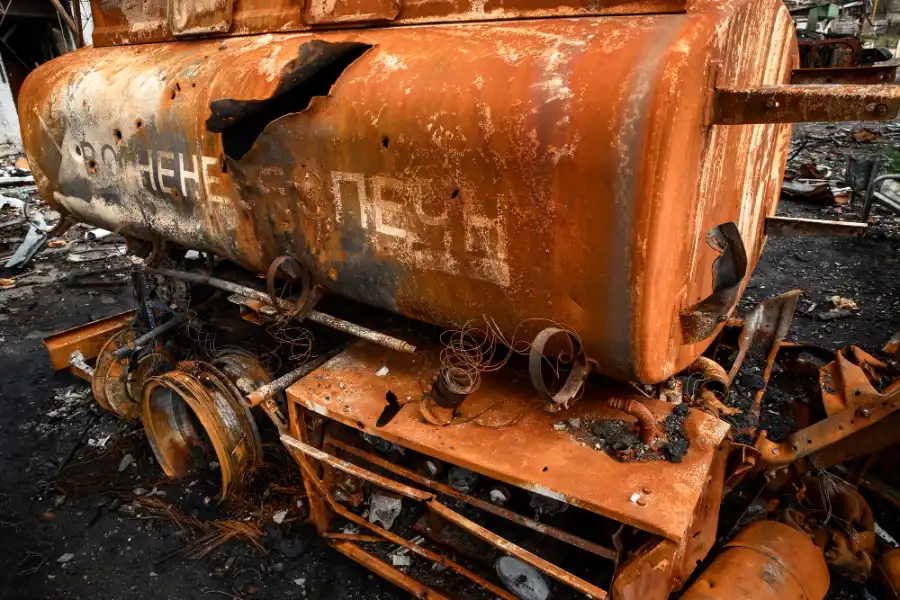
Should Rusty Metal Be Cleaned Before Being Recycled?
People believe that all traces of rust should be eliminated before selling scrap. Fortunately, this usually isn’t necessary.
Enthusiasts will need to return the metal to a professional recycling company, which has the industrial equipment to prepare it for melting and reuse. If a surface has rust, brushing it up can be a time-consuming chore and is unlikely to be worth the investment if you don’t see significant improvement.
Rather, work on the removal of the clearly visible contaminants as listed below:
- Plastic
- Timber
- Rubber
- Fabric
- Soil
- Household rubbish
Fewer contaminants will be needed to process clean, uncontaminated loads.
Which Rusted Metals Can Still Be Recycled?
Some common scrap metals will still be suitable for recycling after surface rusting. These often include:
- Mild steel
- Cast iron
- Structural steel
- Reinforcing steel
- Steel roofing
- Steel machinery
- Automotive steel components
- Steel fencing
Non-ferrous metals like copper, aluminium, brass and stainless steel are not prone to rusting and will develop a layer of oxidation or tarnishing over time.
Recognising the various types of scrap metal can help you prepare your load more effectively and improve your sorting efficiency.
How to Sort Scrap Metal Before Selling
One of the easiest ways to make the recycling process easier is to learn how to sort metal items.
Rather than putting all items into a single box, organise materials by type before they are picked up by the recycler. The following tips for preparation are useful:
- Isolate steel from aluminium.
- Do not store copper and brass together.
- Set aside all obvious non-metal materials.
- Separate rusted iron and other clean non-ferrous metals.
- Where possible, store valuables in locations where they get little water.
- Do not include other hazardous materials when making the load.
By keeping materials sorted by type, recyclers can more quickly identify metals, making the sorting process more efficient.
Why Make a Choice to Work With a Licensed Recycler?
Scrap metal laws in South Australia are followed by licensed recyclers to ensure the responsible and safe management of recyclable materials.
By selecting an established and trusted recycler, you can benefit by:
- Conformance to Australian laws.
- Properly handling recyclables.
- Environmentally responsible recycling.
- Correctly sorting various metals.
- Clearly defined fee for the current market rate.
Whether it’s a fresh piece of metal, rusty pieces, or even parts that are entirely coated in rust, experienced recyclers can accurately assess each item’s recyclability.
A True Local Adelaide Success Story
One of the Adelaide homeowners recently gave a call to HZ Scrap Metal when he was clearing an old rural land that had not been used for years. There were piles of old, rusting machinery parts, weathered steel gates, and rusted fencing on the site over the years.
At first, the owner thought that with rust having taken over everything, it was all totally worthless and that he should hire in a skip bin.
They were instructed to separate the steel from other recyclable materials and to remove any visible waste before delivery to the HZ Scrap Metal team. After the load was checked, the majority of the steel was found to be still fit for recycling, as the underlying metal was OK.
The position the homeowner was in meant he received payment based on current scrap metal prices in Adelaide and ensured the items were recycled responsibly, in compliance with South Australia’s scrap metal guidelines.
Final Thoughts
Rust does not necessarily reduce the worth of the scrap metal. Rusty steel, cast iron, and other metals can often be efficiently recycled at licensed facilities. Homeowners and businesses can recycle responsibly and minimise waste by understanding how to sort scrap metal, what is recyclable, and the rules of scrap metal recycling in South Australia.
When dealing with old metal for recycling, find out today’s metal prices in Adelaide, choose a professional scrap metal recycler to get a fair value, and ensure a safe recycling process for the environment. Regardless of whether your scrap is old or heavily rusted, it still has a great deal of scrap value. Not sure where to take it? See our guide on where to sell scrap metal in Adelaide.