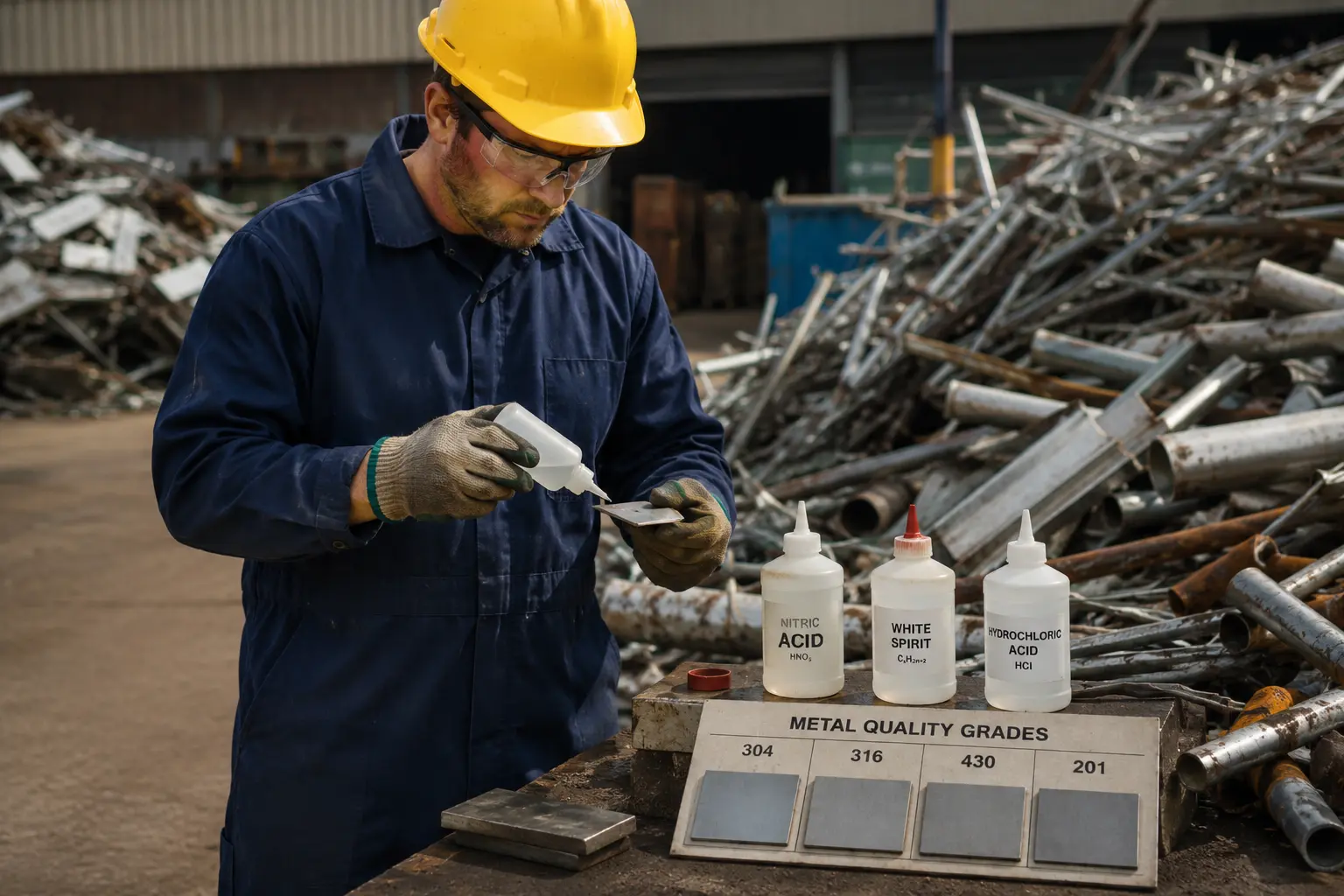
One of the biggest factors that affects the value of the copper wire you are recycling, as well as other scrap metals, is how they are graded.
Traditional thinking about the value of scrap metal focuses on its weight and monetary value, but professional recyclers consider more than that. A metal’s grade is determined by the type of metal, its cleanliness, purity, level of contamination, and condition. These grades are important in determining the process and price for the metal.
To get the highest dollar for the metals on offer in Adelaide, it’s essential to learn the art of grading scrap metal before taking it to a licensed recycler.
There is an explanation of the what, who, why, and how of metal grades, along with guidance on preparing for clean grades to boost your overall return and recycling efficiency.
What Is Metal Grading? Understanding Metal Grading.
Metal Grading is the preparation of recycling metals by sorting them by type, purity, condition and quality.
Each load is examined to determine its material and whether it can be easily processed into new products. Uncontaminated metals are less likely to be mixed with other metals or be fused with other contaminants than mixed or dirty loads, which is likely to make recycling easier.
Some of the things taken into account when grading are:
- Metal type
- Purity
- Contamination
- Size and thickness
- A log showing the presence of non-metal materials
- Rust or corrosion
- Partially mixed versus separated metals
Grading aids the recycling facility in the efficient processing of materials while also assuring sellers a fair, market-based payment.
What Is the Importance of Types of Scrap Metals?
Grades of scrap metal can affect nearly every stage of recycling.
Better-quality grades result in less processing, more usable metal recovered, and lower recycling costs. Many lower-grade materials need to be sorted, cleaned, or separated before they can be processed for recycling.
Good grading is beneficial to everyone involved as it:
- Improves recycling efficiency
- Reduces contamination
- Increases material recovery
- Supports accurate pricing
- Supports initiatives to produce better recycled metal
Selling graded scrap is one of the easiest ways of enhancing a seller’s scrap load.
So: What Is the Grading Process That Determines the Grades of Scrap Metal?
Qualified personnel at licensed scrap metal sites grade the metal for the scrapyard.
Recyclers will determine which scrap metal grades they have using their industry knowledge, visual inspections, and, if necessary, specialised equipment, and grade the metal according to the recognised recycling standards.
Recyclers take the following factors into account when making an assessment:
- Whether metals are ferrous or non-ferrous
- Material purity
- Isolation or coating of the conductors
- Quantity supplied
- Physical condition
- Contamination levels
When it comes to scrap grading, licensed recyclers use the same method to ensure that the insights on which both the buyer and the customer base make their judgments are honest and depend on the quality of the scrap, not just its appearance.
Does Grade Impact Processing?
Yes. There are various recycling methods, depending on the grade.
In the case of copper wire, for instance, a piece of this wire is easier to process than a mixed electrical cable composed of plastic-insulated wires of different materials. Similarly, aluminium separated from steel and other materials is more easily recyclable than aluminium blended with them.
Recycling of higher-grade materials can also flow more smoothly through better spinners and rounders, since little labour and equipment are needed before they can be melted. This boosts productivity and reduces energy and waste.
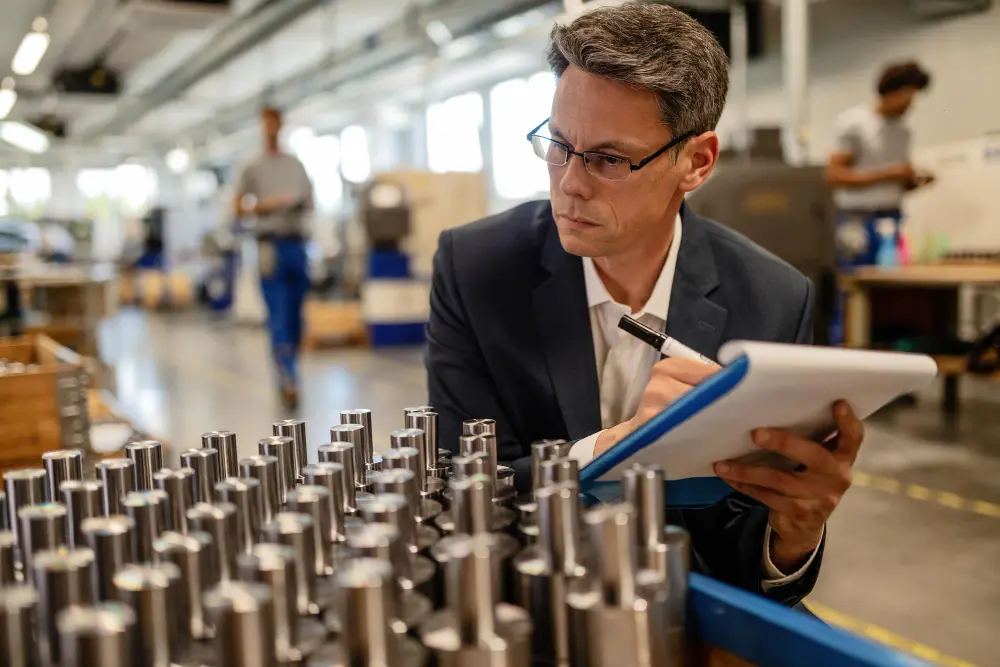
Investigating the Reasons for Wanting Clean Grades
Information about clean grades is important because of one of the largest factors: it makes recycling easy.
Clean metals have fewer contaminants, which makes it easier for a metals recycler to recover high-quality metals. Clean grades will be awarded when:
- Copper wire is separated
- Aluminium sheet is clean
- Brass fittings aren’t attached to any other parts
- Stainless steel is bimetal-free
- Steel is separated from household waste
Dirty/mixed loads will need further sorting, increasing processing time and costs.
Before delivering scrap metal, learning to sort it is one of the easiest steps to improve grading results.
For Top Grades, Here Are Some Ways to Sort Scrap Metal
Materials can be sorted and prepared prior to recycling to save time and enhance grading. Practices that help are:
- Isolate copper from aluminium
- Store brass in its own container
- Keep stainless steel out of other materials
- Remove timber, plastic, rubber and fabric if possible
- Separate batteries from ordinary material scraps
- Organise similar materials together
With proper preparation, recyclers can quickly identify the types of valuable metals they can collect and ensure that scrap metal is properly sorted.
Understanding How Scrap Metal Grades Affect Value
Market price is only part of it; be sure to pay attention to the grading! Factors that affect payment are:
- Current scrap metal prices in Adelaide
- Grade of the metal
- Purity
- Quantity
- Contamination
- Market demand
- Processing requirements
For instance, clean copper cable yields higher returns than mixed copper cable because it requires less processing.
Likewise, lead-acid batteries can be bought through dedicated recycling schemes; the price of car battery scrap depends on battery condition, weight, and prevailing market demand for lead.
A Local Adelaide Success Story
A small electrical contractor would have to regularly pick up discarded copper wiring, aluminium cable, steel brackets, and old switchboards from ongoing renovation work across Adelaide. In the first stage, all the contents were loaded into the same truck, making it difficult for the recycler to access the materials effectively.
After a discussion with the H&Z Scrap Metal team, a plan was developed to separate copper wiring, aluminium, steel, and other recyclable materials before every delivery to achieve the previously contentious goals.
Clean and well-organised loads made the grading process more efficient and accurate. Separating helped provide the necessary assessments for each metal, rather than all coming in as a single mixed load, as market conditions continued to affect scrap metal prices in Adelaide.
The contractor also got to grips with the process of buying copper scrap, and the valuable copper off-cut has been stored separately for reuse.
Properly Grade the Scrap Metals for Best Value
The information above outlines the different grades of recyclable scrap metal and how this understanding could benefit recycling. Homeowners, tradespeople and businesses can make recycling more efficient by separating scrap metal into categories, eliminating contaminants, and learning to sort it.
Whether you are looking to sell copper scrap, recycle old batteries, or stay updated on scrap prices in Adelaide, having an experienced, licensed recycler ensures your items are graded correctly, processed properly, and recycled in accordance with industry best practices. If your load includes wiring, our guide on recycling electrical cables covers how those grades are assessed.
Want to know which grades pay the best? Read our guide to the highest paying scrap metal in Adelaide.
Sorting matters in Queensland too. See how to prepare your load to sell scrap metal in Brisbane.