At H&Z Scrap Metal, we receive three types of calls: Tradie, Landlord, and Householder.
The funny thing about the phone at a scrap business is that it’s always on. The one thing I found weird about the phone at a scrap business is that it never goes on mute. You would think they’d all be identical, just “I’ve got some metal, what will you give me?” In fact, no two callers are the same. Each one comes with a different stack, with a different deadline and a different concern in the back of their minds.
There are three typical callers of H&Z Scrap Metal this Blog will follow – the tradie, the landlord, the householder. These scenarios are based on everyday situations scrap customers may encounter. They are not actual customers. Each section reviews the caller’s personality, what they have, what they are concerned about, and what they actually need. If you can identify with one of them, you can find practical advice to make your own call smoother. There’s something for the in-between people too if you’re somewhere in the middle.
How different people get different answers.
There is no such thing as “just anyone” who sells scrap metal. A tradie has leftovers in their van, deadlines and volume. A landlord has a property to turn around, and a tenant leaves a surprise. A householder has a shed and a lifetime of ‘I might need that one day’ and a niggling sense that something is of value in it.
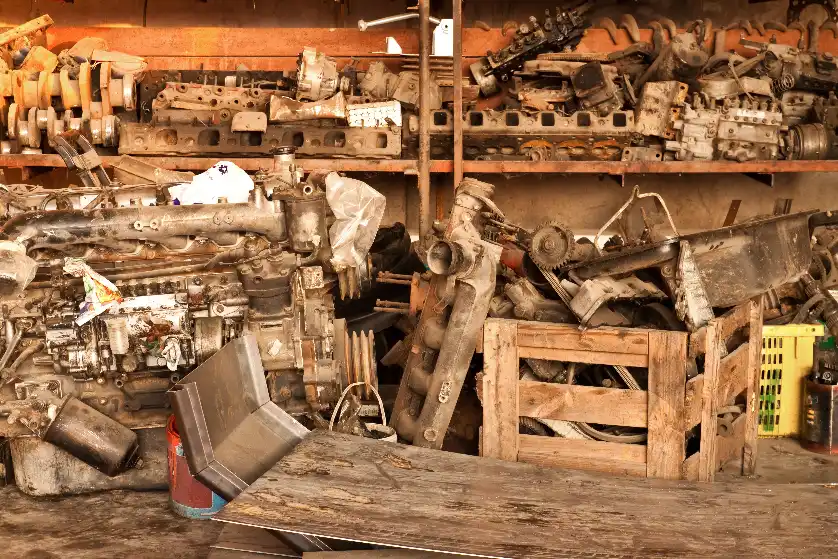
They all have different requirements. The tradie is seeking speed and reliability. The landlord wants a clean, convenient clearance. The householder desires both objective advice and a few words of comfort. Those differences make it a good experience.
Call One: The Tradie
Imagine a sparky, plumber or builder calling from the cab of his ute at the end of a long day. The back tray is full of off-cuts of copper pipe, cable ends, a hot water system removed from a job that morning, and twisted-up aluminum and steel from a renovation.
What they have. A mixed load, which is regularly produced, often in good amounts. It has some value, but it comes in a number of different metals and can accumulate quickly on a hectic site.
What they worry about. Time, mostly. The tradie’s day is full, and a slow turnaround at the yard means a lost day of income. Then there’s the fear of receiving less than what you paid for, too, and the possibility that something won’t be available.
What they REALLY need. A definite answer before they leave the job. This means understanding what materials they can have in the yard, how they need to be separated, and when to arrive. It also means that you will not have to wait on hold to ask a quick question.
What helps. It all makes a difference when sorting at source. Keeping copper, aluminum, brass, or steel separate on the ute or in labeled workshop bins saves time at the weighbridge and ensures the yard prices each type correctly. When possible, also remove non-metal accessories (e.g., plastic cable insulation and rubber seals on fittings); it’s a good idea to find out which way the yard prefers it. Better-sorted, cleaner materials generally sell for more, as unsorted material won’t be worth as much.
Safety is important here as well. Old hot water systems may be cumbersome and need to be disconnected from gas or electrical connections by a licensed professional before they’re removed. Everyone who does a trade knows this, but if a job is rushed, it’s worth repeating.
The takeaway. The tradie is in the business of scrap. Consistent, predictable yard contact means more money from turn offcuts and a cleaner work site.
Call Two: The Landlord
Now imagine that you are a landlord or a property manager, calling up the morning after a tenant has moved out. Keys have been returned, an inspection has been arranged, and the back garden looks like a little museum of abandoned and left-behind items. A dusty old washing machine, a tarnished barbecue, a broken clothesline, a pile of metal shelving, and maybe some bike parts and a few pieces of fencing.
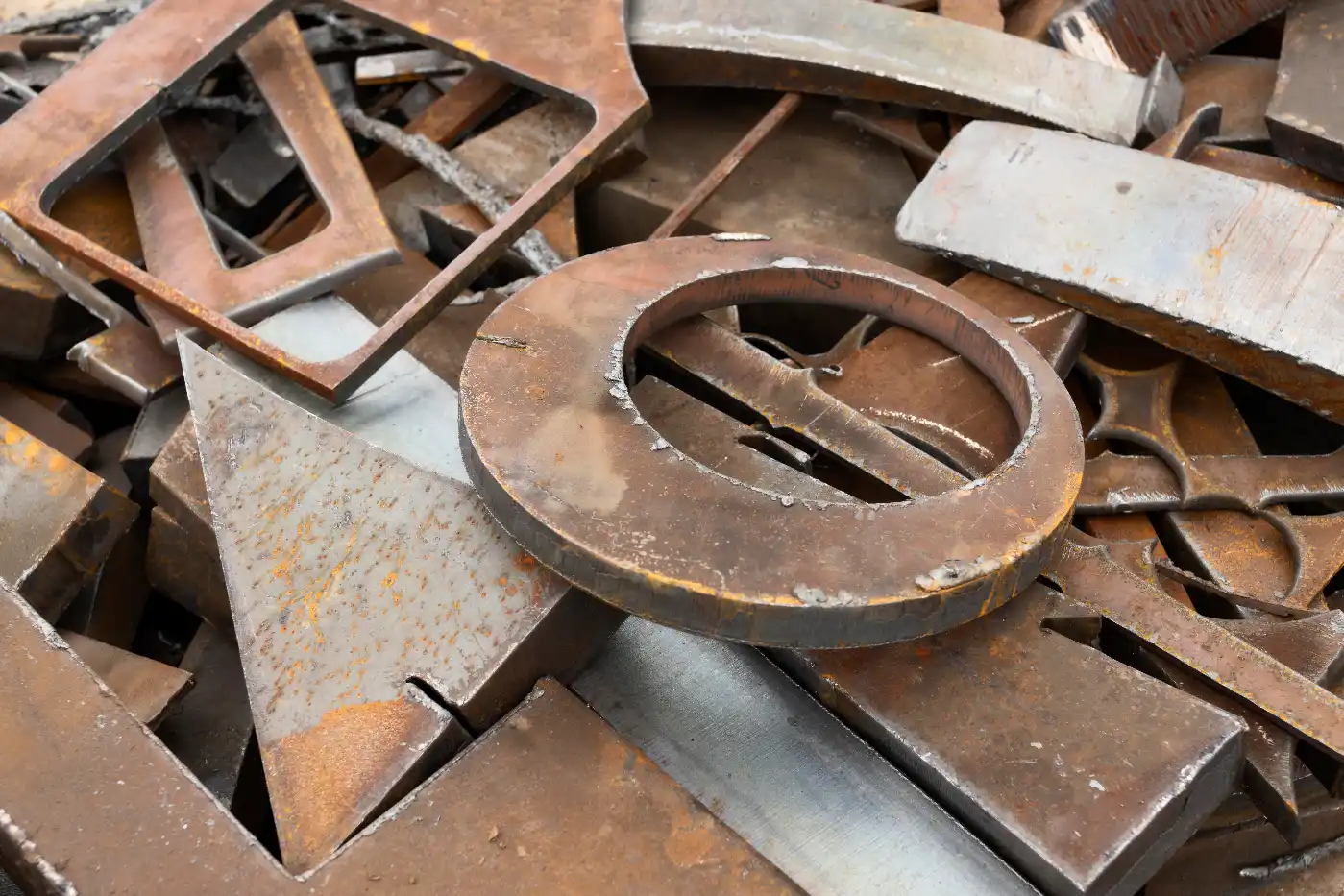
What they have. A variety of things that they never wanted or selected. Some are definitely metallic, and some are a combination. They might have one or two questions they don’t know.
The concerns they have. The clock. A rental house or home for sale costs money per day, and the next tenant or buyer is waiting. They are also concerned about what to do, since decisions about disposing of abandoned property can be complex, and regulations vary by state and territory. Rental companies should research the terms that apply to their specific property before discarding items left behind by tenants.
What they really want. An easy, one-call solution. They want to know what to take, how it will be collected, and when. They also want a clean, orderly look, with the metal removed and the area tidied up.
What helps. Take pictures of everything before it’s moved, in case there are questions later. If possible, separate different types of material as much as possible, and keep non-metal items (such as mattresses, furniture, and household garbage) separate, as they typically must be disposed of differently. Be honest about any oddities. Older roofing, sheeting, or insulation may contain hazardous materials, and you should never add them to a regular scrap load. When in doubt, seek advice from a qualified professional before handling it.
Also, inquire about collection during the initial phone call. It can matter whether the landlord is on a deadline, as it can be the difference between a fast turnaround and a long delay.
The takeaway. Scrap is a way for the landlord to speed up clearing the clutter and free up space, and maybe reduce some of the cleanup costs. The objective is a seamless and efficient transfer.
Call Three: The Householder
Then imagine that there is a person in a house, on a Saturday morning, with a cup of tea in the shed. Over the years, they’ve accumulated a lot of “I’m going to need that someday.” An old lawn mower, a broken barbecue, a pair of rusting bikes, some old pipe offcuts from a bathroom job, some electrical cord, a car battery, and a rusted-out wheelbarrow.
What they have. A little of a little. Part of it is useful metal, part is rubbish, and some items require careful handling.
What they worry about. Mostly, not knowing. They don’t know what to keep separate, whether the yard will want such a small load, or whether they are doing something wrong. They have a bit of a hang-up about the shed’s condition. They also understandably worry about hazards, like batteries and fuel left in old mowers.
What they really want. Friendly, honest guidance. They need to be told that a little weight is normal, and that a few simple steps will prepare them for the scrap world. They should also receive safe instructions regarding what to handle, especially.
What helps. Begin with a quick sort. Remove items if they are obviously made of metal, and collect items that contain batteries, fuel, or oil. Remove or drain fuel/fluids only if you know how to do it safely; if not, seek advice before removing the item. Store old car batteries upright and handle them with care; it may be worth asking the yard how they want to take old car batteries.
The trick, from the common-sense cheat sheet, is to do the magnet test. A magnet that sticks is typically steel or iron, while one that doesn’t is most likely aluminum, copper, or brass, which are typically more valuable. It is not a foolproof test, but it is a useful initial point.
Relax, because it’s not a lot of load. Many scrap customers get their first boot-load, find it easy, and return for their next clean-out.
The takeaway. The householder can use it to clear space, keep metal out of landfill, and maybe make a little pocket money. The shed gets lighter, and so does the to-do list.
What do these three calls have in common?
The tradie, the landlord and the householder both have a few basic needs; they are different, yet alike.
All three are looking for clarity. They want to know what material the yard accepts, how to prepare it, and what happens next. All three benefit from sorting their metal, since separated metal is easier to handle and easier to price. And all three like it when it’s honest! A yard that clearly tells you what it will accept and what it will not is a time saver.
A thread of safety runs through the common whole, too. When moving a hot water unit from a wall, clearing a home with no one in it, or clearing a family shed, hazards remain: gas connections, batteries, fuel, and unknown materials. If it seems like a dangerous or new-to-you scenario, pause and ask.
A three-level process for thinking about your load
If you don’t know which of these callers you’re most like, consider it in three levels.
The first tier is occasional sellers with a small amount from a one-off clean-out. For this person, preparation means a quick sort and a phone call to see what we can accept.
The second tier is the project seller, who has a larger batch from a renovation, a tenant move-out, or a workshop clear-out. In these cases, a photograph, grouping, and a discussion of the collection can be very helpful.
The third level is the regular seller (tradie or small business) who is constantly making scrap. Sorting, regular drop-offs, and a strong working relationship with the yard are key.
Know your tier and prepare accordingly, and you will get the most out of each visit or call.
Making Your Call Count
No matter what you are looking for, several habits will make your call to H&Z Scrap Metal more productive. Take a general estimate of the quantity and types of material you have. Understand how it is stored and if it is easily accessible. Describe anything that is out of the ordinary or dangerous. Ask about practical aspects, such as what can be accepted, how handover is managed, and what to do in advance.
The more exactly you state your case, the more useful the answer will be. There is no silly question, and the team would always rather have you ask a question before loading the ute.
The Bottom Line
Behind every call to a scrap business is a real situation, and a real need. The tradie wants the job done quickly, the landlord needs a fresh start, and the householder wants assurance. For all three, and everyone in between, H&Z Scrap Metal is here.
Whether you have metal to transport - a ute-load, a yard full, or a few bits from the shed, contact H&Z Scrap Metal. Just let us know what you have, and we will work out the easiest recycling option for you.