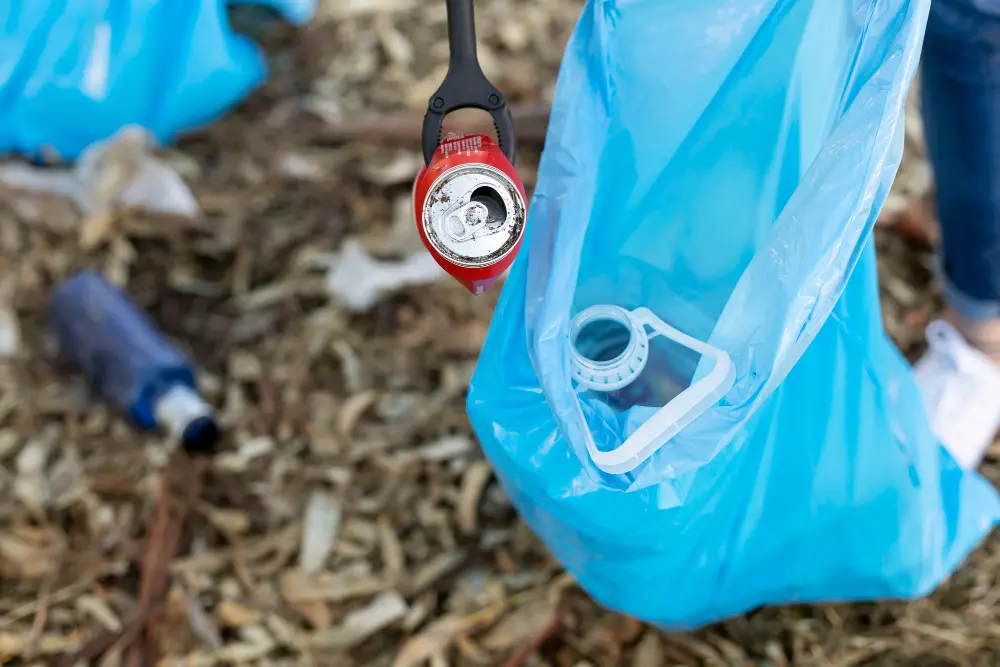
Aside from the 500,000 tonnes of household waste that Australia produces annually and 900,000 tonnes worth of plastic waste, metal waste is one of the nation’s biggest recyclable resources. Although steel, aluminium, copper, brass, and other valuable materials can be repeatedly recycled without loss of their basic attributes, large volumes of these materials are still deposited in landfill.
From homeowners replacing old appliances, to tradies and builders clearing building rubbish, or businesses discarding industrial metal scrap, recycling metal can help reduce the amount of metal in landfills, help protect natural resources and improve Australia’s circular economy.
Many homeowners and commercial business owners want to recycle some or all of their metal household waste in a way, it is an economical option given the scrap metal prices Adelaide offers and it is beneficial for them to understand the process of metal recycling.
The Role of Scrap Metal Recycling in Waste Reduction in Australia
Scrap metal recycling helps keep metal out of landfill by reusing it.
Recycling of metals involves the collection, sorting and grading, processing, melting, and creation of new metal products. This way, the same material can be used repeatedly, reducing the amount of land disturbed during raw mineral harvesting.
Metal recycling also reduces the occurrence of negative environmental impacts from the mining, transport and manufacturing processes and, at the same time, benefits local industries in South Australia and Australia in general.
Recycling a ton of metal takes a ton out of the environment and puts a ton in the economy.
So Why Landfill Reduction?
The landfill is a scarce resource. If metals in the waste stream are discarded, rather than recovered, valuable materials will be lost from the recycling stream.
Landfill reduction has a number of environmental and economic advantages:
- Savings on existing landfill space.
- Minimising unnecessary extraction of resources.
- Supporting Australia's recycling industry.
- Reducing the costs for waste management.
- Promoting proper disposal.
One of the most sustainable materials to recover is metal, as many waste products can be converted back into the same metal multiple times without any loss of quality.
Which Metals Do Not End Up in Landfill?
Various ordinary commodities, including metals found in homes, retail and office buildings, can be recycled rather than tossed or discarded.
Common scrap metal recycled by licensed scrap recyclers:
- Steel
- Cast iron
- Aluminium
- Copper
- Brass
- Stainless steel
- Lead
- Zinc
- Vehicle components
- Electrical wiring
- Household appliances
- Roofing materials
Certain recyclable items, such as batteries, are processed in specialised recycling programs due to their unique processing requirements. The price of car battery scrap depends on the type of battery, its weight, and demand in the lead market. If you have one stored at home, learn how to recycle an old car battery safely.
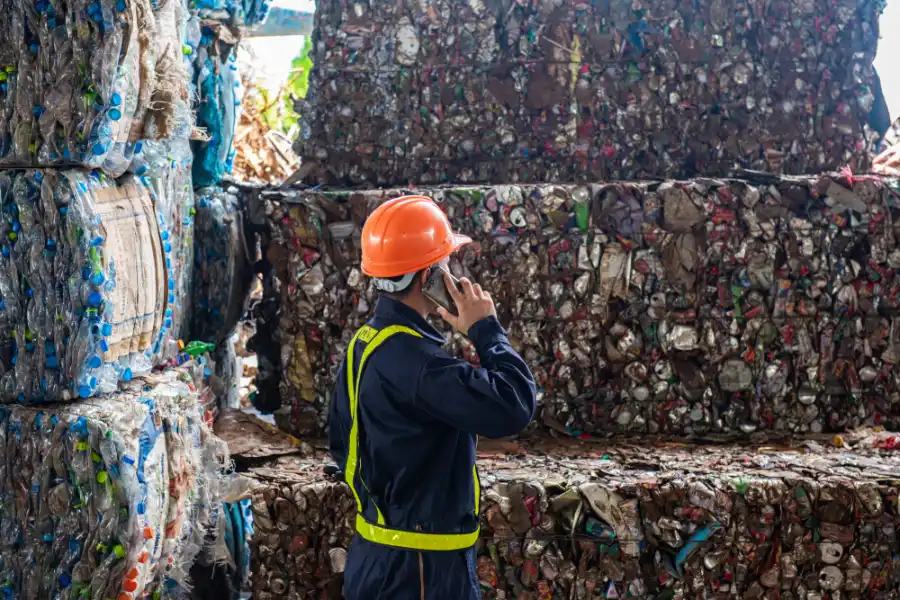
What Is the Value of Recycling?
The manufacture of new metal from mined ore consumes a lot of energy, water and natural resources.
Recycling existing metal can drastically cut the amount of new metal that would have been mined if it were not needed, since valuable raw materials could be recovered from metal that is already out there in circulation.
Benefits include:
- The decrease in demand for virgin ore.
- Reduction in energy use in manufacturing.
- Conservation of natural resources.
- Lower GHG emissions.
- Decrease in disturbance of the environment during the mining process.
Scrap metal recycling is one of Australia’s most effective waste-reduction strategies due to its benefits.
How Is the Community Involved?
Commitment of members in the community is essential for successful recycling.
Everyone can do their part at home, with a home or business, as a builder, electrician, plumber or mechanic, and as a manufacturer by making choices to recycle valuable metal to avoid adding to landfill.
Simple things can make a big difference, like knowing what goes where before you drop off at a licensed recycler.
Community participation includes:
- Prior to being recycled, separating various metals.
- Taking away the clear waste from the scrap loads.
- The reuse of second-life appliances instead of putting them in the landfill.
- Providing batteries to registered recyclers.
- Educating on recycling as a secondary activity.
Adding up small efforts = big benefits for the environment at both Adelaide and Australian levels.
The Benefits of Sorting Scrap Metal Before Recycling
Before we bring them to a metal recycling centre, you can sort the types of scrap metal to achieve a higher recovery rate and make processing smoother.
Some people don’t need to know a lot about scrap metal sorting. It’s the little things that make a difference to the eye in simple preparation.
Good practices include:
- Isolate copper from aluminium.
- Hold brass fittings together.
- Wherever possible, remove plastic, wood, and rubber on-off devices.
- Store batteries separately.
- Do not have steel in contact with non-ferrous metals.
- Don't mix recyclable metals with household waste.
Sorting minimises product contamination and maximises the quantity of reusable material from each load.
The Advantages of Using a Licensed Scrap Metal Recycler
Licensed recyclers in Australia are vital to the recycling industry, helping to ensure the safe and responsible handling of metals.
Some important advantages of working with an experienced recycler are:
- Environmentally responsible recycling.
- Correct identification of various kinds of scrap metal.
- Correct assessment in terms of market conditions.
- Handling of special materials in a safe way.
- Compliance with Australian recycling regulations.
By employing services, important metals can be kept in use rather than being destined for a landfill.
A Favourite Local Adelaide Success Story
Recently, a plumbing contractor in Adelaide worked on a major commercial plumbing project, creating tonnes of copper pipe off-cuts, brass fittings, leftover steel brackets and old hot water systems.
At first, the materials were to be sent to a waste skip. The contractor was informed that separating any copper, brass, steel, and other recyclable materials before collection would benefit the property when contacting HZ Scrap Metal.
The purpose of the organised load was to enable the processing of different materials within the same category. Other significant learning points included buying copper scrap, with the contractor learning to keep the copper pipe clean and separate from other materials to facilitate recycling.
Rather than adding waste to landfill, hundreds of kilograms of recyclable metal were salvaged and returned to the manufacturing process, for the benefit of the business through competitive scrap metal prices Adelaide.
Repurpose and Reuse Material and Equipment by Turning It Into Something of Value
One of the most effective and simplest methods of eliminating landfilled waste in Australia is with scrap metal recycling. Households, businesses and tradespeople can support a more sustainable manufacturing industry by conserving natural resources, minimising environmental impacts and recycling valuable metals rather than discarding them.
Whether you need to recycle household appliances, building components, electrical wiring, or car parts, you know how to sort metal, can identify metal types, and can work with a qualified recycling company to make the process easier. Recycling is a great way to help keep Adelaide clean, help push valuable materials back into the circular economy and benefit you with competitive and valuable Adelaide scrap metal prices.
Read more about why responsible recycling matters for future generations.