
What Is the Significance of Responsible Scrap Metal Recycling for Future Generations?
Each tonne of recycled metal is one tonne closer to protecting the planet for tomorrow, for today’s city of metal. Valuable metals used in electronics, which could otherwise go into landfill, can be recovered for new products; raw material for recycling can be reduced, and a cleaner, more sustainable future for future generations is achieved thanks to responsible e-waste recycling.
From old washing machines to copper wires, steel beams taken off a construction site to damaged car parts, metals can be recycled without reducing their quality. Professional scrap metal collection Adelaide services help homeowners, tradespeople, businesses, and industries keep waste to a minimum and natural resources in place.
Sustainability is increasingly a priority in Australia, and with this growing focus, responsible recycling has evolved beyond just returning unwanted metal to the community; it’s an investment in Australia’s future.
Why Is It Crucial to Recycle Metals Responsibly?
With responsible recycling of scrap metal materials, the useful provisions are retrieved properly without being disposed of in landfill.
Unlike other types of waste, metals like steel, aluminum, copper, brass and stainless steel can be recycled over and over without compromising the strength and quality of the metal. Each load of recycled materials reduces demand for new raw materials and helps Australian manufacturers source sustainable raw materials.
Before you select licensed recyclers, you might imagine that only willful criminals have the obligation to decrease the impact on the environment and people.
Why Is Recycling Important for the Environment?
New metal mining and metal production consume a great deal of land, energy, and natural resources. Cutting down on this demand is what recycling does, as it takes back old metals to be used in production once again.
Environmental benefits include:
- Conserving natural resources.
- Reducing landfill waste.
- Lowering soil contamination.
- Protecting wildlife habitats.
- Reducing unnecessary mining.
- Water and energy conservation.
- Fostering Australia's circular economy.
Items as common as steel appliances, aluminum frames, copper wiring, and car parts can have a positive impact on the environment when properly and responsibly recycled.
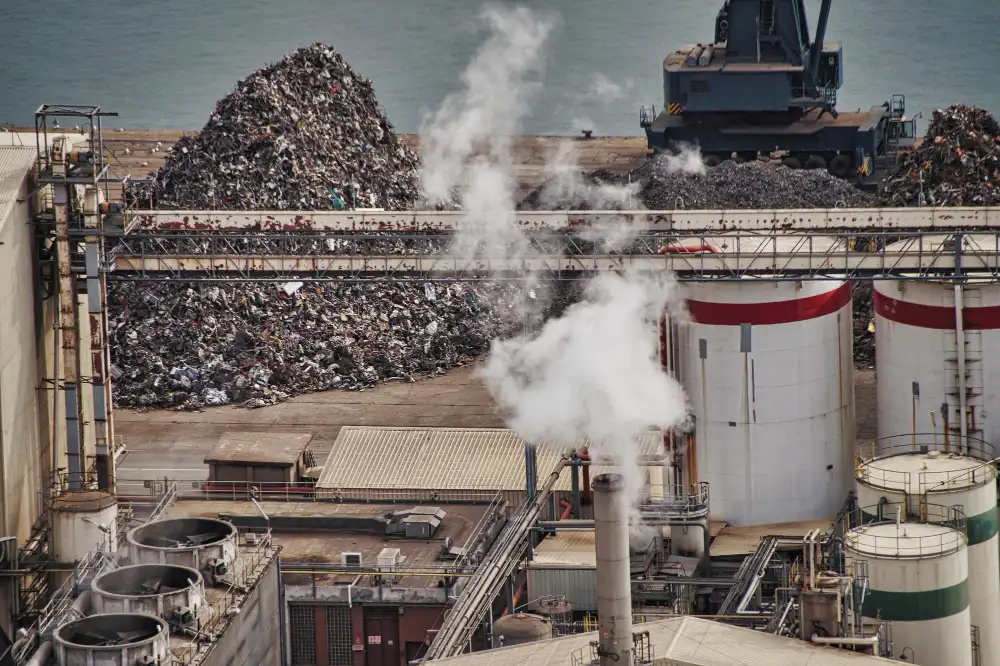
Does Scrap Iron Recycling Reduce Carbon Emissions?
Yes. Making metal from recycled material typically uses much less energy than new mined ore. Reducing energy use may lead to reduced GHGs during the whole lifecycle.
Australia’s reduction in metal extraction of new resources by recycling metals:
- Industrial energy use.
- Mining activities.
- Transport emissions.
- Manufacturing waste.
- Emissions of carbon from raw materials.
Recycled metal benefits the manufacturing industry, helping to create a cleaner and more energy-efficient system.
What Is the Value of Recycling’s Role in Sustainability?
Sustainability is about doing what we can today without compromising on what future generations can do.
Responsible scrap metal recycling helps sustain the environment by:
- Long life of useful materials.
- Maintaining the sustainable use of resources.
- Reducing environmental impacts.
- Supporting responsible manufacturing.
- Promoting the effective use of resources.
- Generating employment opportunities within an area.
Copper recovered from copper scrap buying programs, for instance, can be turned into new electrical items without the use of further mining, thereby safeguarding finite natural resources.
Why Should Communities Participate?
Addressing sustainability is best done at a community level.
There is metal that requires recycling in homes, businesses, schools, trades, farms, and industrial facilities. Recycling these materials creates environmental benefits for communities, frees them up from landfill, and results in a cleaner neighborhood.
Community involvement can include, but is not limited to:
- Recycling household appliances.
- Separating different types of scrap metal.
- Understanding the process of correct recycling of scrap metal.
- Recycling renovation waste.
- Using licensed recycling centers.
- Safe disposal of batteries using approved car battery disposal Adelaide services.
No matter the size, all contributions help reduce waste in Australia and take part in tomorrow’s sustainability.
A Local Client Story
One of our customers at HZ Scrap Metal collected old steel roofing, aluminum window frames, copper wiring from his home whilst undertaking a significant renovation in Adelaide’s Northern suburbs, damaged gutters, and some used vehicle batteries. The homeowner contacted Huzman Zymerica Scrap Metal, an Adelaide scrap metal collection service, to collect the metals that would otherwise have been removed to landfill.
The team assisted in identifying various types of scrap metal, sorted the copper out, and handed over the clean metal for copper scrap to buyers, while safely recycling the old batteries to car battery disposal Adelaide suppliers. Those that were not steel or aluminum were turned into recycled materials that the Australian fabricators could then use.
Not only did the homeowner remove unwanted waste from their property, but they also helped decrease landfill waste and kept valuable resources available for future generations.
The Planning Process for Preparing Scrap Metal for Responsible Recycling
Benefits from preparing recyclables for collection. Simple preparation includes:
- Keep steel, aluminum, brass, and copper apart.
- Try to clean up visible trash, if possible.
- Separate batteries from scraps in general.
- If possible, take off any large plastic or timber objects from the barrel.
- Store similar metals together.
- Identify the best method of sorting scrap metal for delivery.
Preparation can help recyclers increase the recovery of valuable materials and minimize contamination during the recycling process.
The Importance of Selecting a Licensed Scrap Metal Recycler
Recycling responsibly requires companies to have skilled employees who treat it in accordance with Australian environmental standards.
Licensed recyclers provide:
- Properly handled recyclable waste.
- Accurate identification of different metals.
- Responsible battery recycling.
- Environmentally compliant processing.
- Fair market-based pricing.
- Elements and components of the system are appropriately documented (as required).
By selecting a reputable recycler, valuable resources aren’t becoming a waste of time, but continue to make a contribution to Australia’s circular economy. Whether your load includes steel or mixed metals, sorting it before drop-off keeps valuable resources moving instead of heading to landfill.