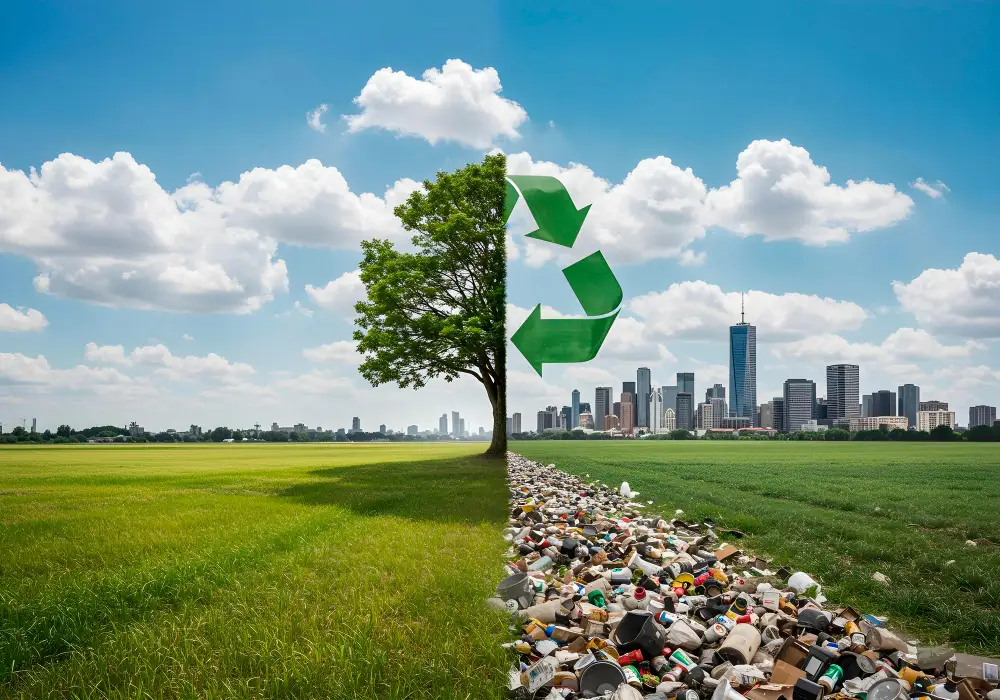
Australia’s waste management system is evolving. Instead of taking a one-way approach of raw materials, manufactured goods, and components, and sending them to landfill after use, this system can keep valuable materials in use for a long time.
The recycling of steel, aluminum, copper, brass, and lead metals is a major component of this, as they can be recycled endlessly without compromising the quality of the metal. These materials are not wasted; they are recovered, reused, and repurposed to create new products, materials, and structures for residential, commercial, and infrastructure uses.
Scrap metal recycling offers several benefits, not only for the environment and sustainability efforts but also because those involved benefit from today’s scrap metal prices in Adelaide.
This guide presents definitions of the circular economy, the importance of reusing and recycling metals and the industries that do so, and why responsible recycling is increasingly significant.
What Is a Circular Economy?
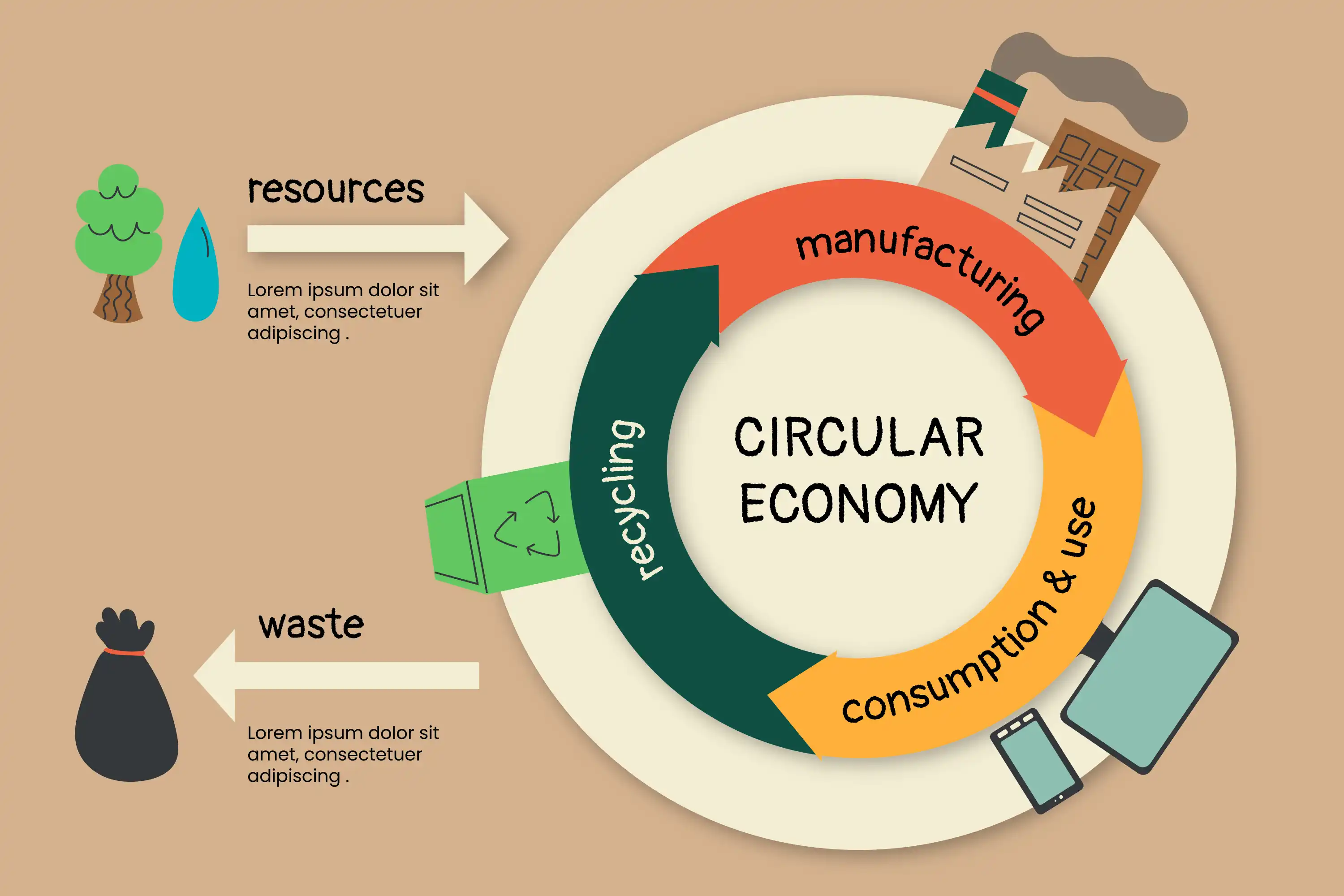
The principle of circular economy is an economic system that aims to keep products and materials in use for as long as possible, which means not consuming them when they no longer need to be used.
A circular economy contrasts with the “take, make, dispose” model in that it repairs, reuses, recycles, and reintroduces materials into the manufacturing cycle.
Many kinds of scrap metal can be recycled several times without losing strength and performance, and scrap metal recycling is one of the best examples of such a system.
Recycling each tonne of metal saves 0.9 tonnes of waste and saves 1 tonne of new raw metal resources.
In What Ways Do Scrap Metal Recycling and the Circular Economy Go Together?
Recyclable metals recovered from the waste collected by licensed recyclers are sorted, graded, processed, and re-supplied to manufacturers as valuable raw materials.
These materials are sent to waste rather than being dumped in landfill and are instead part of a continual production cycle.
The recycling process assists:
- Reduce landfill waste.
- Recover valuable resources.
- Reduce the virgin mining demand.
- Decrease manufacturing energy use.
- Support sustainable production.
- Maintain the recycling system.
One of the main tenets of Australia’s circular economy is that metals are reused continuously.
Where Do Waste Metals Go When They’re Recycled?
Recycled metals go through a series of processes of melting, refining, and creating an all-new product.
Examples of materials that are commonly recycled are:
- Structural steel
- Aluminum building products
- Copper electrical wiring
- Plumbing components
- Vehicle parts
- Household appliances
- Machinery
- Packaging materials
It’s one of the most sustainable construction and manufacturing materials to produce or use because it can be recycled over and over without significant loss of quality.
What Are Some Industries That Utilise Recycled Metals?
Recycled metals are used extensively in many industries across Australia throughout the day.
The major consumers are:
- Construction
- Manufacturing
- Automotive
- Infrastructure
- Electrical services
- Plumbing
- Transport
- Engineering
These industries rely on a steady supply of recycled materials to ensure a reliable flow of material for productive uses, while minimizing environmental impacts.
Clean copper and the copper that’s recovered through copper scrap buying programs, for instance, can frequently be made into new electrical products, which lowers the need to utilise additional copper mining.
Why Is Recycling Becoming More Important?
Resource recovery, diversion from landfilling and sustainable manufacturing practices are becoming more of a priority in Australia.
Economics, conservation and load-leveling of natural resources, and sustainable services for increasing population growth and raw material demand stimulate recycling for sustainable load-leveling of natural resources, preserving finite natural resources.
Recycling is also helpful to:
- Reduce emissions of greenhouse gases.
- Reduce landfill volumes.
- Preserve natural resources.
- Improved resource efficiency.
- Greater environmental sustainability.
This is why many governments, enterprises and neighbourhoods have made protecting the environment by recycling ever more popular.
How Households and Businesses Can Support the Circular Economy
Scrap metal recycling is an activity that anyone can participate in to play a role in Australia’s circular economy.
Simple actions include:
- Segregation of different categories of metal waste.
- How to learn to sort scrap metal.
- Recycling old appliances.
- Keeping batteries separate.
- Recycling renovation waste.
- Recycling through authorized recycling facilities.
These behaviours add up to significant environmental benefits when thousands of households and businesses take part.
A Local Adelaide Success Story
During a family-run Adelaide fabrication business’ upgrade to their workshop space, they gathered steel offcuts, aluminum sheet, copper cable, and some scrap industrial batteries. Once, the stuff was thrown away as part of the general construction garbage.
The company contacted HZ Scrap Metal and separated the materials into groups before delivery. The copper was removed for use as copper scrap, the steel and aluminum were sorted separately, and the batteries were kept in a separate stream for later recycling in a dedicated facility, whereby the dictating car battery scrap price could be evaluated based on the type and weight of the batteries.
Efficient processing of the organised load material ensured valuable materials were repurposed and avoided landfill. By providing compensation based on the current market price of the scrap metal in Adelaide, the company also minimised waste. It helped create the circular economy by keeping reusable items like metal in productive use.
The Benefit of Sorting Scrap Metal: It Helps Recycle the Pile Better
By handing over the materials in a prepared form, their reaped rate and processing can be improved.
Customer satisfaction, along with easier recycling, is easier to achieve when it comes to sorting scrap metal.
Helpful preparation includes:
- Isolate copper from aluminum.
- Avoid using brass and stainless steel together.
- Eliminate plastic, wood, or rubber, if possible.
- Store batteries separately.
- Don't put recyclable metals in with the trash.
- Separate metals by similarity.
Recyclers can more easily identify materials in well-organised loads to turn a larger proportion of the metal into re-usable products. Understanding the different types of scrap metal makes this process even smoother.
The Benefits of Investing in a Licensed Scrap Metal Recycler
Licensed recyclers are vital to Australia’s circular economy as they guarantee materials are collected and processed safely and responsibly.
Working with an experienced recycler provides:
- High-quality identification of various kinds of scrap metal.
- Environmentally responsible processing.
- Fair market-based assessments.
- Safe battery and special material handling.
- Enforcement of the Australian recycling rules.
Professional recycling means the recycling of valuable resources, not landfill waste. Whether your load includes brass or steel, sorting it before drop-off keeps it moving through the circular economy.
A trusted industry also needs rules. See how Queensland is tackling copper theft and scrap metal compliance.